Sunday, November 18, 2007
New Organic Anti-Aging Food Supplement
0 comments Posted by forfin at 10:56 PM Labels: Anti Aging, Food and DrinkRecent scientific research on Bird's nest found it contained rich amino acids and rich in antioxidant. The two essential elements which help to generate new cell and counter free radicals in our body.
Anti-oxidant
Bird's nest is rich in antioxidant. Antioxidants are substances or nutrients in which can prevent or slow the oxidative damage to our body. Health problems such as heart diseases, macular degeneration, diabetes, cancer etc are all contributed by oxidative damage. Antioxidants may also immune defense and therefore lower the risk of cancer and infection.
Amino Acids
Bird's nest contain amino acids like Leucine, Lysine, glycine,glutamine,tyrosine,arginine, cystein,histidine, tryptophan etc. Amino acids best be described as the construction blocks from which protein is made.
In general, edible bird's nest cna be divided into cave nests and house nests. Cave nests are mainly harvested from natural caves. Since cave nests are 'made' by free,naturally-living swiflets, some consider them to be more valuable than house nests. Hence, they fetch a higher price. However, hte truth is cave nests generally contain more foreign materials and feathers than house nests. Besides,cavenests are exposed to the risk of heavy metal contamination from the environment.
House nests are made by swiflets (Collocalia, sp.) in the attice of countryside houses. Now ,human has acquired the knowledge of cultivating the swiflets in control buildings. Generally, the texture of house nests are smoother compared to those of cave nests,with less feathers and other contaminants.
Bird's nest is an expensive and nutritive product. Thus it is important to distinguish the genuine bird's nest. In the market, there are many producers who would increase the weight of bird's nest by adding additives like white fungus,jelly and skin.
Appearance:- Good and genuine nests consist of two main types of filaments. The outer layer that has longer and bigger filaments whereas the inner part has finer, shorter filaments.
Cooking:- When double boiled for an hour the bird's nest inner filaments become water soluble. The outer filaments contain mainly minerals, it is less soluble but gives bird's nest its signature fibrous taste and appearance.
Odour:- During double boiling a fine scent of near albumin odour will occur.
Bird's nests contain gycoprotein. This special glycoprotein has mitogenic effect properties named as Epidermal Growth Factor(EGF) which can stimulate cell growth. The tonic powers of bird's nests are believed to improve skin complexion and slow down the aging.
In traditional Chinese medicine, bird's nest is believed to offer good effect for treating tuberculosis,dry coughs, asthma,and general weakness due to bronchial ailments. It is also traditionally used to nourish the kidney, lung, heart and stomach. Consumption of bird's nest is also recommended to complement other treatments to combat degenerative diseases such as cancer and also for convalescence or to recover health after illness or surgery.
I am Dr Tan Boon Siong, graduated from University of St. Clements. My dissertation is "The critical review and analysis of organization behaviour in Malaysia. I am running a few bird's farms, which can produce 10 kgs of bird's nest per month. We are cooperating with local university to under study and analysis of bird's nest. We provide guaranteed product.
Source : http://www.mybuny.com/myarticle/articles/687/1/New-Organic-Anti-Aging-Food-Supplement/Page1.html
Tuesday, September 11, 2007
Natural Eating Tip for Loss weight
0 comments Posted by forfin at 8:14 PM Labels: Food and Drink, Lose Weight1. ABC diet
A = Alcohol
B = Bread
C = Carbohydrates
No alcohol, No bread, and No carbohydrates if your want to diet. Because it regular basic of fat creating and reduce your metabolism.
2. Eat Breakfast
Breakfast can rev up metabolism start early to burns calories to fuel your activities.
3. Don' starve
hunger and cravings can kill the your diet program.
4. Reduce Dinner
your can have the dinner but your must reduce it.
5. Drink more water
Drinking water can help you when have a hunger.
Drinking water before eating can partially fills your stomach and reduces the urge to overeat.
6. Protein shakes
protein shake is full of hunger killing, more fiber, healthy fats, and it is delicious.
7. Don't eat "Low fat" Product
Many "Low fat" product have carbohydrates more than normal product.
Sunday, September 9, 2007
Our bodies contain toxic waste accumulations, mucus, parasites and worms, excess fat, fluid buildup (cellulite), old and hardened fecal matter buildup, and many more unsightly and odorous things that play a pivotal role in sabotaging our health.
The connection between the mind and body has been known for centuries and has been practiced in many cultures. Fasting has proven to not only detoxify the body, but also help create a mental experience. This mental experience as long given a feeling of spiritual clarity and determination of purpose. Many of the body detox methods work wonders when it comes to stress relief and individuals who use these methods have attested to feeling less stress as a result thereof.
Jerry Hall provides a comprehensive overview of various types of detoxification routines, covering detox diets, herbal detox, skin cleansing, detox baths, juice fasting.
If you love someone who is an alcoholic, or you are struggling with your own alcohol problem, you may be interested in the process of alcohol detoxification. Alcohol withdrawal symptoms can range from uncomfortable to life threatening, depending on the severity of the addiction, and detoxification can help with this process.
Summer is finally here and for a lot of us that means heading out to the lake or to the park for a picnic with friends or family.
Unfortunately, if we're not careful when we plan, transport and serve that picnic, our outing might not end up happily.
Here are some tips to remember when planning an outdoor meal:
1. Keep hot foods hot and cold foods cold. Bacteria multiply quickly at temperatures between 40 and 140 degrees. Foods that have been kept at unsafe temperatures are a prime source of foodborne illnesses.
2. Plan ahead and try to take foods that don't spoil so quickly. At any rate, don't eat anything that's been sitting out for more than an hour, especially if the temperature is over 80.
3. Try to take only the amount of food that will be eaten, so there will be no leftovers.
4. Pack your food with ice or cold packs in an insulated cooler. Place foods that will be eaten last in the bottom. You can make your own blocks of ice by freezing water in milk cartons or other plastic containers.
Place ice blocks or cold packs between containers of food, never just place containers of food on top of ice.
When people hear the term body detox, they may not fully understand what this process consists of. As individuals take in various negative items on a daily basis, it is easy to see how one’s body can use a cleansing every once and awhile.
Everyday, people are exposed to various toxins, which harm the body and cause serious diseases. These toxins can be internal toxins that are released in the body as a by-product of normal metabolic activity; or external toxins such as heavy metals (lead, aluminum etc), smoke, drugs (cocaine, steroids etc), food preservatives and additives, alcohol, chemicals, harmful organic compounds etc. Alcohol detoxification is simply eliminating alcohol from the body and providing medical assistance for the symptoms of withdrawal that accompany this process. Medical professionals will generally prescribe a limited course of treatment with one of several drugs developed for this purpose.
It is carried out in various ways depending on where you decide to receive the treatment. Most drug detox clinics provide treatment only for physical withdrawal of drugs and alcohol.
If you are like most of us, you're tired, maybe overweight, caffeine addicted and stressed out. You just don't feel your best. You may even have more serious health problems like irritable bowel system or high blood pressure. Want a natural alternative to more over-the-counter and prescription drugs? Try detoxifying your body.
5. You might want to bring 2 coolers -- 1 for drinks, because it will be opened more often, and 1 for the food, that can be set in the shade and kept closed until needed.
6. If you're planning to cook hamburgers at the picnic site, shape your meat into patties and freeze before putting into the cooler. Take along a meat thermometer to be sure you cook the meat to an internal temperature of at least 160 degrees.
7. An extra zip-top bag full of ice can be placed in the top of the cooler. The extra ice will come in handy for the trip home. If your day is a long one, and the ice melts the cold water can come in handy, also.
8. Carry your cooler inside your car, instead of in your hot trunk and be sure to place it in a shady spot and maybe even cover it with a blanket when you reach your destination. Open it only when necessary.
9. Instead of bringing whole jars of condiments, pack what you will need into smaller plastic containers.
10. Bring lots of clean utensils for serving as well as eating. Pack pre-moistened towelettes and paper towels for easy cleanup.
11. And remember this rule from the U.S. Department of Agriculture regarding leftovers: When in doubt, throw it out!
However, most detox diets just involve cleansing the entire body. Below, there is a sample of a seven day detox diet that you can try.
Using these foot patches is a great way to detox your body via a convenient, easy to use method.
Using a detox diet plan can help maximize your health, reduce your weight, and help you feel more energetic and rested. Try a detox diet for a few days. You'll be surprised how much lighter you'll feel. More on detox diets at http://www.diet-detox.info
The premise behind detox diets is that your body is full of toxins, many of which come from the foods you eat. A basic detox diet will have you fast for a certain period of time, which means you will not eat at all. You will then only eat specific foods that are believed to be toxin free, completely refraining from other foods, such as sugar, red meat, wheat, and eggs. Detox diets are used to refer to diets, herbs, and other methods of removing environmental and dietary toxins from the body for general health.
In addition to counseling and support, there are several drugs that may be prescribed to help avoid a relapse and make recovery easier. Acamprosate helps reduce cravings and another drug, Disulfiram, will make the user sick if they ingest alcohol.
About the Author:
More on detox diets at http://www.diet-detox.info Article Source: Free Article Directory - http://www.articleManiac.com Search And Submit Articles
Thursday, September 6, 2007
Diabetes Diet, What Are The 10 Best Fruits And Vegetables For Diabetic Patients
0 comments Posted by forfin at 11:36 PM Labels: diabetes, Food and DrinkThis is the question my diabetic patients always ask. Hopefully this article will enhance your knowledge about diet for a diabetic patient.
AVOID THESE FOODS
If you are a diabetic patient try to avoid following list of foods.
1-Sugar, artificial sweeteners and honey. However you may take sweetner like stevia. It is difficult to omit sugar from your diet at-once, I will recommend you to decrease sugar in your diet gradually.
2-You should stop taking sweets and chocolates. If you are in a party and want to take chocolate, then preferably try to take Continental dark chocolate with at-least 70% or more cocoa solids, and try to avoid chocolates where sugar is the first named ingredient
3-Try to avoid foods containing ingredients end in (ol) or (ose) as these are mainly different forms of carbohydrates like fructose, glucose, dextrose.
4-Avoid grains like cakes, biscuits, pies, tarts, breakfast cereals, wheat, rye, barley, corn, rice, bread, pasta, pastry,
5-Avoid vegetables which contain larger amount of starch and carbohydrates like potatoes,carrots, peas, beans, parsnips, beet.
6-Also avoid fruits like water mallon, mangoes, banana, Chikoos(Pakistani), jackfruit, grapes, Strawberry, Sugarcane.
7-You may take milk but in small quantity. Avoid fat yogurts and cheeze. Also be careful not to drink too much coffee or tea and add only as much sugar as in needed for taste.
8-Avoid commercially packaged foods like TV dinners, "lean" or "light" in particular, and snack foods, fast foods.
9-Avoid fresh fruit juices as these are highly concentrated carbohydrates. If you like fruit juices you may dilute one part of juice with 3 or 4 parts of water.
10-Always avoid saturated fats like fatty meat, full fat dairy products, butter, lard. Try to prefer unsaturated fats like olive oil, corn oil, canula oil, sunflower oil,soya oil.Avoid cottage cheese as it has a high carbohydrate content and very little fat
You must be thinking that I have mentioned here all the stuff, and nothing is left to eat, these are foods you can eat:
1-You may take fruits like apple, Grapefruit, Lime, Peaches. You must divide your fruit and vegetable diet in five portions through all the day, by Spreading the fruit you eat through the day helps to avoid a sudden rise in blood sugar levels.
2-You must take high fibre diet. Fibrous diet is Cereals, Fruits, Nuts, Pulses, Seeds, Vegetables. Fibrous diet not only lowers your glucose level but also decreases blood cholesterol.
3-Always try to take whole grain rather than processed food and take things like whole-wheat spaghetti and brown rather than white rice(Indian Pakistani). Pakistani and Indian people do like white rice very much, but if you are diabetic, please avoid these.
4-You may take meat of lamb, beef once or twice a week. Organ meats can also be taken like liver kidneys and heart to meat your vitamin needs.
5-Try to take white meat like poultry chicken fish meat duck etc.
6-You may take Fish and seafood of all types. It is recommended to boil, steam, bake or grill fish rather than frying it.
7-Always prefer non-fatty dairy products such as "skimmed milk", non-fat cheese and yoghurt.
8-You may take eggs as well but try to take whitish part not the yellow one as it may increase your cholesterol level.
9-All cheeses can be taken except cottage cheese.
10-You may take all vegetables, onion and garlic are known for decreasing blood glucose level.
Generally Type 2 diabetic patients need 1500-1800 calorie diet per day to promote weight loss, however calories requirement may vary depending upon patients age, sex, activity level and body weight. 50% of total daily required calories should come from carbohydrates.One gram of carbohydrate is about 4 calories. A diabetic patient on a 1600 calorie diet should get 50% of these calories from carbohydrate. In other words it will be equal to 800 Calories from Carbohydrates, it means you have to take 200gms of carbohydrates everyday.It is better that you buy food tables with calories measurements to know more about your daily required food.
Hope this article will help you understand, what to eat and what not to eat in diabetes. To know more about Diabetes diet please visit my comprehensive website.
Dr.Armughan maintaining site Diabetes symptoms cure treatment , High Blood Pressure Symptoms Treatment
Article Source: http://EzineArticles.com/?expert=Armughan_Riaz
Wednesday, September 5, 2007
How to Pick Fresh Fruits and Vegetables
0 comments Posted by forfin at 2:54 AM Labels: Food and DrinkBy Dr. Ben Kim
If you want your grocery dollars to consistently bring home the most nutritious fruits and vegetables that your local market has to offer, you have to know when different fruits and vegetables are in season and what to look for in appearance and texture.
In this article, the peak in-season range for different fruits and vegetables is relevant to all of Canada, most of the upper half of the United States, and pretty much all other countries that lie within the same latitudinal range, give or take a few degrees.
Whenever possible, you want to choose fruits and vegetables that are in season in your living region. Fruits and vegetables that are in season and locally grown tend to have more nutrients and flavor than those that are imported from far away places.
Apples
Look for firm apples that are free of bruises. For red-colored varieties, look for apples that are mostly red. For yellow-colored apples, look for apples that are mostly bright yellow. Red and yellow apples that have several patches of green color are generally not as tasty as bright red and yellow apples.
Handle apples with care to prevent bruising.
Apples are in season from October to about late April.
Asparagus
Look for straight, bright-green stalks with stiff tips. For optimal nutritional value and flavor, steam asparagus instead of boiling it.
Asparagus is in season from March to about June.
Bananas
Look for bananas that do not have bruises or soft spots, especially along the undersides of the bottom-most row. If left at room temperature, bananas that are any shade of green should eventually ripen. Extra-ripe bananas can be peeled and stored in a container in the freezer for smoothies or banana ice cream (made with a champion juicer).
Bananas are imported year-round.
Beets
Choose beets that are firm and attached to red stems and fresh green tops. Loose beets without their tops are typically older than those that are attached to their green tops.
Beets are in season from about mid-June to mid-October.
Blueberries
For fresh blueberries, look for firm berries. You really can't go wrong with frozen wild blueberries, which are available year-round.
Fresh blueberries are in season from about mid-June to mid to late August.
Broccoli
Look for tightly budded heads that are dark green in color.
Broccoli is in season from July to October.
Carrots
Look for firm carrots with relatively smooth skin. Avoid thick carrots, as they often have tough centers.
If you buy fresh bunched carrots with green tops, remove the tops before storing, as they can suck moisture and nutrients away from the roots.
Carrots are available year-round, but are best from July to September.
Cucumbers
Look for firm, unblemished, and dark green cucumbers.
Cucumbers are in season from June to September.
Eggplant
Choose eggplants that are heavy for their size and have smooth skin.
Eggplants are in season from August to September.
Fresh Figs (not dried)
Choose plump figs that seem heavy for their size. Be sure to pick ones that smell nice; old figs tend to smell a tad sour.
Fresh figs are in season from about mid-May to mid-October.
Garlic
Look for plump and firm bulbs that are completely surrounded by their tissue-like covering. Avoid ones that have green sprouts.
Garlic is in season from August to October.
Grapes
Choose grapes that are firm; soft grapes or those that feel like little water balloons tend to be too ripe. If possible, use a tissue to wipe down a single grape for a taste test before choosing each cluster.
Grapes are in season from August to September. Imported grapes are available year-round.
Hass Avocados
Choose avocados that have roughly-textured skin; those that are relatively smooth skinned tend to have less flavor. Avocados are ready to eat when their skins are dark and they give a little to slight pressure.
Hass avocados are in season from February to October.
Honeydew Melons
Look for melons that are free of bruises and areas of broken skin/rind. Leave at room temperature until they give ever so slightly to heavy pressure. Their skins may wrinkle slightly and they may give off a mild melon fragrance when they are ripe.
Honeydew melons are in season from August to October.
Leeks
Look for leeks that have dark green leaves and white bulbs. Leaves that have yellow and brown spots are usually overripe.
Leeks are in season from August to November.
Mushrooms
Look for mushrooms that are free of bruises and other blemishes. Fresh mushrooms are not wrinkled or slimy.
Mushrooms are in season from October to November.
Onions
When looking for dry onions, choose those that are firm and have no soft spots.
When looking for green onions, choose those that have bright green leaves and are not slimy.
Dry onions are in season from September to December.
Green onions are in season from July to September.
Oranges
For eating out of hand, choose California navel oranges that are heavy for their size and without obvious blemishes.
California navel oranges are in season from about mid-November to late spring. They are sweetest from about January to early March.
Peaches
Choose peaches that have smooth skin without bruises, and that give a bit to pressure. Peaches that do not give to pressure can ripen, but often do not get as soft and sweet as those that are already somewhat ripe at the market.
Peaches are in season from July to September.
Pears
Choose pears that have smooth skin and no bruises.
Pears are in season from August to December.
Potatoes
Choose firm potatoes that are free of bruises and cracks.
Potatoes are in season from September to January.
Raspberries
Choose raspberries that are bright red. Look carefully to be sure that there are no signs of mould, the most common one being the presence of white, cotton-like strands in and around the berries.
Raspberries are in season from July to September.
Red Peppers
Choose red peppers that have thick, smooth skin.
Red peppers are in season from about May to September.
Spinach
Choose spinach that is dark green with no signs of yellowing, sliminess, or wilting.
Spinach is in season from June to October.
Strawberries
Choose strawberries that are plump, dark red, and without bruises. Fresh berries carry a distinct strawberry fragrance.
Strawberries are in season in June and early July.
Tomatoes
Choose tomatoes that are bright red, firm, and free of bruises. Like strawberries, fresh tomatoes will carry their own distinct fragrance.
If preparing tomato slices, slice them from top to bottom to prevent unnecessary loss of natural juices.
Field tomatoes are in season from August to September.
Watermelon
Look for a watermelon that has a firm, dark green rind. A slight hollow sound upon tapping with your knuckles is often a sign of a full and juicy melon.
Peak season for watermelons is from mid-May to late August.
Winter Squash
Look for squash that have hard, smooth skin.
Acorn and butternut squash are in season from September to December.
Yams
Choose yams that do not have any cracks or soft spots. Steaming is the best cooking method to preserve the nutritional value of yams.
Yams are in season from October to about March.
Zucchini
Choose zucchini that have firm, dark green skin. Old zucchini are soft and wrinkly.
Zucchini are in season from July to September.
If you haven't already done so, please read the latest pesticide analysis of common fruits and vegetables so that you can combine that information with this article to make the best choices for you and your loved ones.
You can use the print function just below this article to print this article out for easy reference.
Note: Some of the tips in this article are from a Canadian publication called Glow.
Source : http://drbenkim.com
By Dr. Ben Kim
omatoes, tomatoes, and more tomatoes. This delicious salad recipe brings together three varieties of one of summer's healthiest fruits to make for a light but satisfying meal.
Tomatoes are rich in naturally occurring vitamin C, beta-carotene, and vitamin K. They also contain many other vitamins, minerals, and phyto-nutrients, including lycopene. Lycopene is a powerful antioxidant that numerous studies indicate has the ability to reduce your risk of developing many different varieties of cancer.
Although this healthy salad calls for anchovy fillets and basil, it's almost just as good without these two ingredients if you prefer not to use them or they are not readily available in your area.
Ingredients:
5-7 plum tomatoes, quartered lengthwise
8-12 cherry tomatoes, halved
6 sun-dried tomatoes, coarsely chopped
Small handful fresh basil
2 teaspoons fresh oregano leaves or 1 teaspoon dried
3 tablespoons extra-virgin olive oil
1-2 tablespoons balsamic vinegar
3 anchovy fillets
Directions:
Combine plum tomatoes, cherry tomatoes, and 80 percent of sun-dried tomatoes in a salad bowl.
Use a fork to crush sun-dried tomatoes and anchovies into a paste, and combine with extra-virgin olive oil and balsamic vinegar.
Drizzle dressing over tomatoes. Add oregano and hand-torn basil.
Enjoy this delicious and nutrient-dense three-tomato salad. The quantities listed in the ingredients section make one large salad meal.
Source : drbenkim.comTuesday, September 4, 2007
Six Foods That Will Give You the Most Health "Bang" for Your Buck
0 comments Posted by forfin at 12:10 AM Labels: Food and DrinkBy Dr. Joseph Mercola
with Rachael Droege
When you search for a car, a home or even a vacation, chances are you look for a product that will give you the most benefits for the best price. However, when it comes to food many people overlook the benefits aspect and focus on getting the best price. The result is greasy fast-food, nutrient-deprived processed foods and wilted or overcooked vegetables that have long since passed their prime.
And while you can certainly pull up to your local fast-food joint and purchase dinner for your family for a reasonable price, if you look at all into the future the money you save on dinner will likely be spent fighting the flus, colds and other illness that are sure to pop up after years of unhealthy eating. Food is an investment in the health of your family--an investment that will more than pay off not only in saved health care bills but in achieving a high quality of life.
The following foods are some of the best available if you really want your food to work for you. Some of these foods are not your typical American fare but rest assured that adding these foods to your diet is like fortifying your body against disease and ill health. What premium fuel will do for your car, or special plant food will do for your houseplants, these foods will do for your body. So when you find yourself searching for a bite to eat during the upcoming week, be sure to incorporate some of these nutrient-dense foods into your diet.
Fish oil
Unfortunately, I can’t recommend fish because it is overwhelmingly contaminated with mercury and dangerous PCBs. What I can recommend, however--and I can’t recommend it highly enough--is fish oil. Packed with beneficial omega-3 fats including DHA, fish oil:
* Helps fight and prevent heart disease, cancer, depression, Alzheimer's, arthritis, diabetes, ulcers, hyperactivity and many other diseases
* Increases your energy level and ability to concentrate
* Provides greater resistance to common illnesses such as flu and cold
* Helps pregnant women avoid premature births, low birth weight and other complications
When using fish oil or cod liver oil it is important to obtain a high-quality reputable brand. In my research--and in my clinical experience with my patients--I have found that:
* The liquid form is superior to capsules
* Certain brands definitely seem inferior to others
* The Carlson's brand of fish oil/cod liver oil is of an exceptional quality and purity
It is likely not the only brand in the world of such high quality, but up to this point it is the only one of such quality that I can recommend, so I now offer the Carlson's fish oil and cod liver oil on Mercola.com; you can also check your local health food store to see if they carry it.
Now is the time of year when people living in cooler climates will want to switch from fish oil to cod liver oil. The main difference between cod liver oil and fish oil is that cod liver oil is high in vitamin D. In warm weather months, the more intense sunshine allows your body to produce high and usually sufficient levels of vitamin D without any supplementation necessary.
However, in cool weather when intense sun exposure is limited, your body will need more vitamin D, and so I recommend cod liver oil versus fish oil in cool weather months or climates.
Those who live in more tropical environments with regular exposure to more intense sun will most likely be fine taking fish oil year round, as your vitamin D intake from the sun will be sufficient. If you aren't sure of what you should take, please have your vitamin D levels tested as it is possible to overdose on vitamin D.
Organic, Raw Vegetables (Metabolically Appropriate)
There is little that compares to the nutritional value of organic, raw vegetables according to your Metabolic Type. In addition to the B-vitamin folic acid, fresh vegetables have numerous other nutrients that will promote health and prevent diseases, especially neurodegenerative diseases like Parkinson's, and the many antioxidants and phtyochemicals in vegetables will help to keep your mind sharp.
To determine how many vegetables you should be eating a day it is important to find out your metabolic type. This could be done by taking a simple test that is detailed in my new book, Total Health Program. Everyone has a unique metabolic type therefore what works for your best friend might not work for you.
For instance, if you are a strong protein type (like me), then you really don't need as many vegetables, perhaps as little as half a pound to a pound a day would be sufficient for the typical protein-type adult.
However, if you know your Metabolic Type then you will want to modify this recommendation based on the results. For instance, if you are a strong protein type (like me), then you really don’t need as many vegetables, perhaps as little as half a pound to a pound a day would be sufficient for the typical protein-type adult.
If you find you are more of a protein type then your vegetables would also be oriented more toward lower potassium varieties, like cauliflower, green beans, spinach, asparagus, mushrooms, celery and avocados. Regular lettuces and typically wonderful vegetables like collard greens, kale and Swiss chard are far too high in potassium for protein types and will tend to cause biochemical imbalances. This also means that if you are a protein type, vegetable juicing may not be necessary at all. On the other hand, a carb type may benefit from consuming far more vegetables, and the best varieties would include the collard greens, kale, Swiss chard, and so on, which were not ideal for protein types.
Please note that while I recommend organic vegetables for the most nutritional benefits, if you can’t find or afford them, don’t use this as an excuse not to eat any vegetables. Eating any vegetables, whether they are organic or not, is much better than not eating any vegetables at all.
Raw Eggs
Raw, whole, organic eggs are a phenomenally inexpensive and incredible source of high-quality nutrients that many of us are deficient in, especially high-quality protein and fat. While it may take some getting used to, this is a simple way to improve your mind and your overall health. Eating cooked eggs will not have the same effect, although the less you cook the egg (such as soft-boiled), the better it will be nutritionally.
There are several ways to consume raw eggs: "rocky style," a whole egg with the yolk intact swallowed whole, blended in a shake using some raw milk, or stirred gently into your vegetable juice or Living Fuel Rx.
If you’re concerned about salmonella, please review my article on raw eggs for information that will relieve your concerns.
Raw Milk
Raw milk is an outstanding source of nutrients including beneficial bacteria such as lactobacillus acidolphilus, vitamins and enzmes, and it is, in my estimation, the finest source of calcium available.
Pasteurized milk is a completely different food and will not provide the same benefits as raw milk.
It can be challenging to locate a source for raw milk, as it is illegal to sell in some states. Ideally, you can find a local farmer who will be willing to sell it to you, but if you are unable to find one Sally Fallon has compiled a Web site that provides further information about this important food source, including where you can purchase raw milk.
In addition to the benefits mentioned above, I am convinced that if most kids were fed real milk from grass-fed cows and avoided sugars and grains after they finished breast feeding, tooth decay would virtually disappear.
Healthy Meat
The key here is "healthy" meat, as not just any meat will do. Commercial livestock is laden with disease and pumped full of antibiotics and hormones. On the contrary, healthy meat will give you an ideal proportion of protein and minerals in relation to its caloric value without any of the artificial and chemical additives that will harm your health.
Obtaining healthy meat means avoiding most grain-fed meats. Grain-free meats not only provide a better balance of omega fats, but the animals are healthier, and the risk of acquiring an infection from a healthy animal is very remote.
But watch out: many stores will advertise beef as grass-fed, because virtually ALL cattle are grass-fed initially. But what matters is what they are fed in the months prior to their slaughter, not what they are fed initially, and most cattle are fed grains during this time.
The least expensive way to obtain grass-fed beef is by locating a farmer and purchasing the products directly. If you are unable to do this we have grass-fed beef suppliers on our site who can overnight the grain-free beef to you.
There are also other healthy meat options beyond beef. Two of the best meats on the planet--in terms of nutritional value and their incredible taste--are bison and ostrich. You can get bison meat and exclusive omega-3-rich ostrich meat in our store. Both of these meats are free-ranged, fed primarily grass/alfalfa diets, and contain no antibiotics or steroids.
You can also look in your local health food store for other healthy meat like organically raised poultry and wild game animals, which are more likely to be fed a grass-type diet.
Chlorella
As foods go, chlorella is among the elite few that reside in the "Near Perfect" category. For a simple single-cell algae plant coming from fresh water, chlorella’s range of benefits is astounding. Chlorella will help you:
* Build your immune system
* Detoxify the heavy metals and pesticides in your body
* Improve your digestive system, including decreasing constipation
* Focus more clearly and for greater duration
* Greatly improve your energy level and feel rejuvinated
* Balance your body’s pH
* Normalize your blood sugar and blood pressure
* Fight cancer
* And even eliminate bad breath
One of the most important aspects of chlorella is its ability to help your body get rid of heavy metals. Many people--far more than are currently aware--are being severely harmed by the heavy metals lingering in their body. If you’ve ever received vaccines, had silver fillings in your teeth, or occasionally eaten fish from any water source (unless you know the fish is mercury-free via lab-testing, there’s a good chance you have some level of metal poisoning harming your health and are highly advised to add chlorella to your diet. Spirulina and blue algae, two other popular health algae, do not detoxify your heavy metals as chlorella does.
Of course, different brands of chlorella will vary widely on their overall quality, potency and purity. We will be offering the most superior brand available in the near future.
Monday, September 3, 2007
Carrots may help fight against cancer
0 comments Posted by forfin at 12:10 AM Labels: Against Cancer, Food and Drink Tim Radford, science editor
Wednesday February 9, 2005
The Guardian
British and Danish scientists have identified a compound in carrots that may help fend off cancer.
A natural toxin called falcarinol reduced the risk of cancer developing in rats by a third, scientists from Newcastle University and the University of Southern Denmark report today in the Journal of Agricultural and Food Chemistry.
The research could lead to new weapons in the arsenal of anti-cancer drugs. Falcarinol protects carrots against fungal diseases such as liquorice rot, a blight that grows on roots during storage.
The researchers studied 24 laboratory rats, all with pre-cancerous tumours, divided them into three groups and fed them a range of diets for 18 weeks. The rats given carrots with their ordinary feed, and the group given a matching dose of falcarinol in their feed, were one-third less likely to develop full-scale tumours than the control group.
"We already know that carrots are good for us and can reduce the risk of cancer but until now we have not known which element of the vegetable has these special properties," said Kirsten Brandt of Newcastle University.
"We now need to take it a step further by finding out how much falcarinol is needed to prevent the development of cancer and if certain types of carrot are better than others, as there are many varieties in existence, of different shapes, colours and sizes. We could also expand our research to include other vegetables."
Carrots are well-known as a source of vitamin A, important in preventing blindness in the young. But vitamin A is toxic in large quantities, and there are medical reports of people who have died from overdoses of carotene, the precursor compound that gives carrots their colour.
Falcarinol, which may work by stimulating the body's cancer-fighting mechanisms, is also toxic in large amounts. But to achieve a lethal dose, a carrot lover would have to consume 400kg (882lb) of carrots at one sitting.
Source : www.guardian.co.uk
Sunday, September 2, 2007
Five Reasons to Eat Carrots if You Carrot All About Your Health
0 comments Posted by forfin at 11:58 PM Labels: Eyes and Vision, Food and Drink, Heart Diseaseby SixWise.com
Whether they're baby-sized, cooked or eaten with ranch dressing, it's clear that Americans love their carrots. In just one year, each American eats almost 10 pounds of them -- that's a substantial increase from the 6 pounds eaten in the 1960s.
And they're more than just a quick snack food or a colorful addition to salads and stews -- they're full of health-promoting properties. So grab a few to snack on while you find out what Bugs Bunny must have known all along -- how incredibly healthy carrots can be.
|
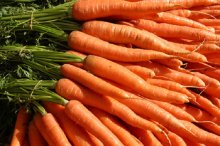
Carrots are a smart choice for a sweet-tasting healthy snack: Not only do they fight cancer, but they taste great too! |
1. Reduce the Risk of Cancer
A study published in the Journal of Agricultural and Food Chemistry found that carrots could cut the risk of cancer in rats by one-third. The compound is called falcarinol, and it's a natural toxin that protects carrots against fungal diseases. Researchers believe that falcarinol may stimulate the body's cancer-fighting mechanisms.
One of the study's researchers, Dr Kirsten Brandt, said, "We already know that carrots are good for us and can reduce the risk of cancer but until now we have not known which element of the vegetable has these special properties."
2. Fight Heart Disease
Carrots are a rich source of carotenoids, the metabolic precursors to vitamin A. In fact, just one cup of carrots contains 16,679 IUs of beta-carotene, which is more than 250 percent of the Recommended Daily Allowance (RDA).
In one study of 1,300 elderly people, those who ate the most carotenoid-rich foods were 50 percent less likely to develop heart disease, and 75 percent less likely to have a heart attack, as those who ate the least. Need more incentive? The results included people who smoked and had high cholesterol levels!
| Fun Facts About Carrots
|
 Carrots are members of the parsley family, which includes parsnips, fennel, dill and celery.
3. Protect Your Vision
Perhaps the most widely known benefit and the reason your mother told you to eat carrots: they're good for your eyes! Your body converts beta-carotene in carrots into vitamin A, which is essential for healthy eyes.
A deficiency in vitamin A can lead to night blindness, which, if left untreated, can lead to blindness. According to registered dietician Chris Rosenbloom, "Vitamin A is important in maintaining normal vision, and worldwide, vitamin A deficiency is a leading cause of blindness."
Additionally, vitamin A may help prevent cataracts from forming and may protect against blindness from macular degeneration -- the world's leading cause of blindness.
4. Protect Against Emphysema
"Some evidence suggests that vitamin C and beta-carotene may help protect against a decline in lung function," says Joel Schwartz, Ph.D., an epidemiologist and senior scientist at the Environmental Protection Agency. "It may be a very minimal effect in those with emphysema, but eating foods rich in these nutrients certainly won't hurt and may help."
Interestingly, it also appears that benzo(a)pyrene, a carcinogen in cigarette smoke, leads to vitamin A deficiency. In this way, smoking, or being around those who do, may make you vulnerable to diseases associated with a lack of vitamin A.
According to Richard Baybutt, associate professor of nutrition at Kansas State, "There are a lot of people who live to be 90 years old and are smokers," he said. "Why? Probably because of their diet ... The implications are that those who start smoking at an early age are more likely to become vitamin A deficient and develop complications associated with cancer and emphysema. And if they have a poor diet, forget it."
5. Lower Your Cholesterol
According to a study by the U.S. Department of Agriculture, eating carrots may lower cholesterol levels. This may be related to a type of fiber they contain called calcium pectate. Scottish researchers also found that people who ate two large carrots everyday for three weeks had an 11 percent decrease in their total cholesterol levels.
Source : www.sixwise.com
Friday, August 31, 2007
A cup of tea takes about five minutes. However, these 5 minutes a day can provide you with great health benefits. There are many past researches and on-going studies on the effects of tea on cancer prevention, cardiovascular health, and prevention of tooth decay.
Although there was not any study that is 100% sure what are the benefits of tea, but all the researches concluded that different component in tea , especially the EGCG have positive effects on cancer cells and other organs such tooth, stomach, and skin. This is not pessimistic for tea because science is constantly changing. Different people do the experiment differently and reach different conclusions with different levels of confidence.
Nevertheless, there are some conclusions that most of researches on teas all reached which will be listed later. These similar and encouraging conclusions are enough to say that drinking tea is good for you. The extent of goodness depends on individual’s opinion.
There are three conclusions that are included in almost all of the books about tea and tea health. First, tea may have the ability to inhibit the oxidation of LDL (often known as the bad cholesterol). Since LDL is one of the major causes of coronary heart diseases and heart attack, regular tea may reduce the risk of developing heart problems.
Tea contains high level of catechin. In vitro studies (cell culture in the lab), it’s noted that catechin can inhibit the interaction between dreadful carcinogens and the cells. This gives some hope to finding the cure for cancer some day.
Tea also contains large quantity of natural fluoride. Studies on animals show that tea can effective reduce plaque formation and development of tooth decay. Thus, it seems many famous toothpaste brands have added white tea or green tea into their products to enhance better dental protection.
There are more health benefits but the three above are more prominent and are extensively tested. So getting all of the benefits of a cup of tea everyday is not a bad deal. The emphasis is the word EVERYDAY. Tea is a very natural and healthy drink (than most of the drink available in the market today) but it is still not a miraculous drug that can cure any disease. It takes time to acquire these health benefits. If you are heard of Okinawan tea, it’s just a regular green tea. The reason the Okinawans have higher life expectancy is because they drink tea regularly combining with an active lifestyle.
So if you are stuffing yourself with carbon-based drinks and coffee that over- stimulate you today and make you tired the next day, may be it’s worth to switch to a cup (or more) of tea a day. You can try it for a period of time and if you don’t like it, you can change back to your old habit of soft drink and coffee. I understand tea is not for everyone, but you can never know until you try it.
Mr. Pham has great interest in tea, herbs, and their health benefits. He has created Nature Healthy Tea to share his knowledge on simple yet healthy tea drink. Publishers are welcome to reprint this article provided this resource box is presented and kept intact..
Article Source: http://EzineArticles.com/?expert=Tuong_Pham
Wednesday, August 29, 2007
Eating for Your Good Health
0 comments Posted by forfin at 9:30 PM Labels: Food and Drink, General HealthIn most people's minds, nutrition is a core principal of good health. However, it doesn't matter how nutritious the food is if you aren't eating - and digesting - properly.
Here are some mealtime methods to ensure you are getting optimal benefits from your food.
Less Food is More Years
In my extensive research on the diets of centenarians, I found something that almost all of them had in common: they tended to eat less. Because many of the centenarians lived on a very modest budget, they were eating less than average and even fasting during especially lean times.
They largely followed the "three-quarters rule" which means that they stopped eating once they were three-quarters full. Many studies have shown that a reduction in caloric intake increased the life expectancy in animals, so it follows that the same would be true for humans. Take a hint from the centenarians and listen when your stomach tells you have eaten to the three-quarters mark.
Be Kind to Your Insides
I often tell my patients that their stomachs do not have teeth. By this, I mean that your stomach breaks down food with nothing more than gastric juice and acid. Keep this in mind when you are eating. For every bite of food, chew at least thirty times before swallowing.
This way, your stomach doesn't have to work as hard because your food is predigested in your mouth by the enzyme ptyalin that is in your saliva. As a result, you are able to more readily absorb the important vitamins and nutrients from your food. Another thing to consider is that eating too quickly leads to an increased production of acid, the result of which is the common problem of heartburn.
Try 5 Small Meals a Day
It is a cultural habit to eat three times a day. However, it is much better to eat smaller meals more frequently to give your digestive system the opportunity for optimal absorption. When you eat smaller portions four or five times a day, you are delivering a steady stream of nutrients, blood sugar, and energy to your body throughout the day.
Eating this way is also much less taxing on the digestive and metabolic systems. And take this into consideration: eating throughout the day keeps you from becoming famished and overeating at your next meal.
You Are When You Eat
That's right. It is true that "you are what you eat," as the famous saying goes, but also, when you eat is an important factor. The human body follows a circadian rhythm, and because of this, the same foods eaten at breakfast and lunch are processed differently than when they are eaten at dinner.
Studies have shown that when you eat your daily protein and fat at breakfast you tend to lose weight and have more energy; however, eating the same things at dinner tend to increase tendencies toward weight gain, increased blood pressure, and heart disease.
As a general rule, I suggest eating your last meal of the day by 7 p.m., and to end with another pertinent phrase: "eat late to gain weight."
Bon apetit! I invite you to visit often and share your own personal health and longevity tips with me.
May you live long, live strong, and live happy!
-Dr. Mao
- - - - - - - - - - - - - -


To learn more about Dr. Mao and other natural health tips, go to askdrmao.com.
To purchase Dr. Mao's book, "Secrets of Longevity," click here.
Tuesday, August 28, 2007

Ingredient
- 3 tablespoons small chunk of raw carrot
- 8 tablespoons treacle
- 2 tablespoons fresh lemon juice
- scant 1/2 teaspoon salt
- 2 cup pure water
Special equipment : Juicer
Directions:
- Wash Carrot and Chop up little cubes (not necessary to peel) .
- push carrots through juicer.
- Add treacle,water,lemon juice,salt and stir.
- Add ice before pour carrot juice.
* Carrot juice tastes best when fresh and not keep for long .
Relate Link
Benefits of carrot juice in your diet
Five reasons to eat carrots
Carrots may help fight against cancer
Monday, August 27, 2007
Benefits of carrot juice in your diet .
0 comments Posted by forfin at 9:47 PM Labels: Food and Drink, Lose Weight by Ivan Hince
In this article the aim is to tell you about the benefits of carrot juice in your diet, and how this somewhat bland vegetable can be one of the many that can help you loose weight and at the same time fight off illness and disease.
Some times in life the benefits of some foods are not apparent as we do our weekly shop, and it's so easy to spend money on vitamin supplements, and foods especially prepared for diets when a far superior alternative is staring us in the face.
The subject of diets can be confusing to say the least, and it doesn't matter whether you're counting points, calories, or just generally just cutting back on your food intake. Each person has their own view which is best, and what I'm talking about here with the benefits of carrot juice in your diet will probably not suit everyone's taste.
My theory behind the use of carrot juice comes from medical research. They have proved that it's the food we eat that causes many of today's many diseases. As the body is mainly water in its content, and as water can either be either acidic, alkaline, or neutral we have to notice that many foods tend to be acidic in their content. This is where the medical research teams have proved time and time again that by altering our food intake to one of an alkaline nature we can not only loose weight but we can also recover from many horrible diseases that are present in today's world.
Fruit and vegetable are a superb example of alkaline foods, and carrots, and carrot juice are one of the best.
Now before you jump up and down saying that carrots are rather bland or the taste is not to your liking they can be mixed with other fruits so that they can be something you look forwards to taking. To give you an idea of calorie content if you were to take a mixture of fruit and carrot juice in a drink the calories per cup would be between 70 and 100 calories. Simply by replacing one meal a day with a delicious glass of juice and the mixture can be your own choice. You may love strawberries or bananas, and by mixing in some carrot juice you will find that you will begin to look forward each day to your daily juice. (I suggest you choose breakfast)
Taking things further you may want to then cut down own the acidic content of your diet. I'm not saying that you cut it out altogether as to eat just fruit and vegetables could be boring. Here's a short list of some of the acidic things we have in our normal diet, and that by cutting back on them will help us all loose weight. Sugar, sugar based products like biscuits, chocolate, cakes and pastries, meat, custard, jellies and jams.
As for carrots they're full of vitamin A and vitamin C and along side of that they have Potassium which helps with muscle control and helps remove cholesterol.
Article Source : goarticles.com
Carrot Juice Recipe
Food As Medicine: the Principles of Healthy Eating
0 comments Posted by forfin at 9:09 PM Labels: Food and Drink, Lose WeightOne of the most important ways in which we can influence our health is by monitoring what we eat. Eating unhealthily – too much animal fat, salt, sugar and artificial additives – can cause irreparable damage to our bodies, especially to the cardiovascular system and the kidneys. Eating healthily can increase vitality, immunity and life expectancy. We can also influence the health of future generations by teaching our children healthy eating habits.
Food can be used not only to prevent illness but also to treat it. Throughout the ages, and in all cultures, food has played an important role in healing the sick. Yet in contemporary Western societies the emphasis in healthcare has moved from traditional methods, such as diet, to modern medical techniques and a reliance on pharmaceuticals. As a result, self-help dietary remedies are rarely considered. As an experienced practitioner of a range of complementary therapies, I firmly believe in bringing the healing power of foods back to where it belongs – in our homes.
The principles of healthy eating
The mainstay of a healthy diet is plenty of unrefined complex carbohydrates and fibre. Foods such as beans, lentils, potatoes, wholemeal pasta, wholegrain bread and cereals should make up – quite literally – the bulk of our diet. Protein-rich foods, such as meat or fish, can be added to this carbohydrate base in small amounts. Contrary to popular belief, we don’t need very much protein for good health and it is not necessary to eat meat, fish and dairy products as a daily source of protein. The other essential ingredients in a heathy diet are vitamins, minerals and phytochemicals (biologically-active substances in plants) which are found in abundance in fruit and vegetables, and essential fatty acids from nuts, seeds, oily fish and oils such as olive oil.
This basic template for healthy eating:
This basic template for healthy eating closely matches the traditional diet that is – or was – eaten in many cultures. Civilizations throughout history have relied upon a combination of cereals and pulses for their staple diet. In Asia this combination is rice and soya; in America it was corn and beans; in Europe it was wheat, rye, barley, oats or buckwheat and beans, lentils or other pulses; and in Africa it is wheat, millet or sorghum and beans or chickpeas. Traditionally, a variety of fruit and vegetables (often eaten raw) have complemented this diet, together with small amounts of meat and fish when available. Fermented foods, such as cheese, yoghurt, curd, fish sauce, pickled vegetables, cider, beer and wine – all of which have a beneficial effect on the gut – also feature in the traditional diet. This diet is ideally suited to the human body – it is rich in friendly bacteria, fibre and nutrients and helps to maintain a healthy biological balance in the gut.
It is very easy to adopt the healthy eating habits that are characteristic of such diets by following these simple common-sense measures:
-Buy more fresh fruit and vegetables (they are rich in antioxidants – substances that help to prevent degenerative disease such as cancer and heart disease), cereals, pulses and fish.
- Cut down on meat, dairy products and convenience food.
- Replace meat with oily fish.
- Tailor food intake to match your actual calorie needs (for most people this means eating less).
- Buy a cook book that emphasizes the Mediterranean diet.
- Reduce your intake of sugar, coffee, tea, fizzy drinks and alcohol.
- Eat at regular intervals (up to five times a day if this suits your needs).
- Eat food that is in-season and, ideally, locally produced.
- Make sure that your diet is as varied as possible.
- Use fresh ingredients as often as possible; avoid canned or dried food which contains additives.
- Be flexible in your eating – aim for balance and enjoyment. Avoid rigid dietary programmes.
How the modern diet fails
These principles of healthy eating contrast starkly with the diet that is increasingly common in the West. Whereas the diet of our pre-industrial ancestors was rich in fresh produce, the modern diet, which has evolved over the last 50–60 years, is characterized by food that contains preservatives, colorants, taste enhancers, sugar, caffeine and even traces of fertilizers, pesticides, antibiotics, hormones and metals. This leads to a proliferation of unhealthy bacteria in the gut, an accumulation of toxins in the body, poor digestion and an increased likelihood of allergies, cardiovascular disease and cancer of the colon.
In the West, food is abundant (the amount produced far exceeds our needs) and relatively cheap owing to modern production and processing techniques. These techniques have created what has been termed “food industrialization" – the production of large amounts of food quickly and cheaply at the expense of quality and nutritional content. Paradoxically, although we now have more choice in what we can eat, less time is devoted to the selection, preparation and consumption of food. Our diets often consist of a limited number of ingredients that we continue eating out of routine and convenience.
Much of the food that we buy is impoverished. For example, when fresh produce is out of season in one country, it is often imported from another, and much of its vitamin content is lost during transit or storage in refrigerators or on supermarket shelves.
Goodness is also depleted in the process of sterilization: in order to make fresh food “safe" and prolong shelf-life by eliminating micro-organisms, it is often sterilized or irradiated – yet this procedure renders it, quite literally, lifeless. Although all unhealthy disease-causing bacteria are killed in the process, all the “good" bacteria and ferments are also destroyed. These are important for digestion and in maintaining a healthy and balanced environment in the gut. Most milk, for example, is pasteurized, with the result that it does not contain natural ferments and is difficult for many people to break down and digest. Milk products that have not been pasteurized, such as live yoghurt (which is full of lactobacilli bacteria), are well tolerated by most people. Another consequence of sterilization is that, if food is left out of the refrigerator for too long or is reheated too many times, micro-organisms, such as listeria, will re-establish themselves. Without competition from good bacteria, the unhealthy ones can proliferate unchecked and cause disease.
Industrialized food production is partly responsible for a range of contemporary health problems such as male hormone imbalance (linked to the misuse of hormones in animals), the advent of antibiotic-resistant strains of bacteria (linked to the routine addition of antibiotics to animal feed), salmonella in poultry and eggs (linked to poor living conditions among animals), and Creutzfeldt-Jacob disease (linked to bovine spongiform encephalopathy or BSE, a disease affecting cows that is caused by contaminated cattle feed). Genetic modification of food is the latest in a catalogue of food-production experiments that I believe may have harmful long-term effects on human health and the environment. The defensive attitude of scientists who argue that “no evidence exists that genetically-modified (GM) food is unsafe" needs to be challenged – this kind of negative statement does not constitute proof that GM food is safe.
Due to the wide-ranging effects of food industrialization it is important that, as consumers, we make informed choices about what we buy – not just favouring foods that are unprocessed and grown according to organic principles, but also excluding products that are nutritionally-empty and preserved and enhanced in artificial ways.
The medicinal value of food
Our knowledge of the healing power of food is based upon thousands of years of tradition and empirical observation. Modern scientific research now confirms the curative abilities of foods that have been used therapeutically through the ages. A huge variety of foods are known to contain compounds that have medicinal properties. For example, the potent antibacterial action of allicin, a substance found in garlic, is well documented. So too are the protective and healing properties of antioxidants and essential oils found in fruit, vegetables, herbs and spices. Some pharmacologically-active ingredients are extracted from food and sold in tablet form. Cynarin, for example, is an active ingredient that is extracted from artichoke. An extensive body of research has shown that this substance can play an important role in treating liver disease and help damaged liver tissue to regenerate. The great advantage of using food as medicine is that food is readily available to all of us and can be self-administered with relative safety. Food cures work in a purely holistic way by enhancing the body’s natural functions and encouraging it to heal itself.
Selecting and harvesting ingredients
Whenever possible, use organically-grown fruit and vegetables, make sure they are fresh and avoid keeping them in a refrigerator for too long. When buying meat, buy organically-produced, free-range or farm-raised meat; buy small quantities of quality cuts rather than larger amounts of cheaper meat. Try to buy fish on the same day that it is delivered to your fishmonger.
If possible, try to harvest wild ingredients from your garden or local countryside. When picking ingredients, such as borage leaves, nettles and dandelion leaves, choose young plants that are growing away from main roads, rail tracks, and paths that are regularly used by animals. Make sure that you can confidently identify the plants that you need and that what you pick is in good condition and fit for consumption. You can cultivate many herbs, such as camomile, lemon balm, savoury, mint, basil, thyme and rosemary, in your garden or in pots on a patio or balcony. When harvesting wild fruit, such as berries, choose bushes and trees that are not exposed to pollution from roads. Collect only undamaged, ripe fruit and don’t be tempted to eat it on the spot – it must be washed thoroughly, and preferably cooked.
By : Pierre Jean Cousin
From : searchwarp.com
Wednesday, August 8, 2007
Food sampling ensures:
We sample to: Sample results The results of individuals food analysis helps…. |
From : www.brent.gov.uk
What is food poisoning?
Food poisoning is an illness usually associated with eating food that is contaminated with bacteria or viruses (germs).
Symptoms typically include diarrhoea, vomiting and stomach pains. People tend to automatically associate these symptoms with the last thing they ate out but surprisingly, most cases of food poisoning originate from within the home
How do I avoid the spread of food poisoning?
To prevent yourself from becoming ill: Avoid contact between your mouth and those things that carry germs.
To avoid passing germs to others: Avoid contact between the food you have prepared for others and those things that carry germs.
Things that carry germs:
The following list of do’s and don’t’s will help you put some of this advice into practice: DO -wash your hands thoroughly after using the toilet. -wash hands thoroughly before and after preparing food and always after handling raw meat. -keep cooked and uncooked foods apart to prevent bacteria from raw food getting onto cooked food -use a disinfectant to kill germs on work surfaces in the kitchen. -keep all perishable foods in a fridge especially cooked meats, stews, meat pies, poultry and dairy products. Only take food out just before you are going to use it. -avoid leaving perishable food at room temperature. -ensure that frozen foods (especially poultry, meat joints etc.) are completely thawed before cooking. -keep pets out of the kitchen particularly when preparing food. -wash hands thoroughly after touching pets and especially after emptying litter trays. -ensure your kitchen is kept clean: adopt a ‘clean as you go’ system of work. DON'T -touch your face and nose whilst preparing food as they are a source of food poisoning bacteria. -wash pets’ feeding bowls with the family dishes or allow the pet to lick from the families dinner plates. -leave food uncovered to avoid contamination by dust, dirt, flies, rats and mice. - warm up meat pies and leftovers left out after cooked: instead store food in the fridge and when ready to use and make sure that they are re-cooked thoroughly to prevent bacteria growing. -handle food that other people will eat, if you are suffering from sickness or diarrhoea. -use food later than the “Use-by” date stamped on its label |
From : www.brent.gov.uk
25 Reasons To Start Drinking Green Tea
0 comments Posted by forfin at 12:50 AM Labels: Food and DrinkGreen tea has increasingly become a very popular drink worldwide because of its immensely powerful health benefits.It is extraordinarily amazing what green tea can do for your health.And if you're not drinking 3 to 4 cups of green tea today, you're definitely NOT doing your health a big favor.Here Are The 25 Reasons Why
You Should Start Drinking Green Tea Right Now:
1. Green Tea and Cancer
Green tea helps reduce the risk of cancer. The antioxidant in green tea is 100 times more effective than vitamin C and 25 times better than vitamin E. This helps your body at protecting cells from damage believed to be linked to cancer.
2. Green Tea and Heart Disease
Green tea helps prevent heart disease and stroke by lowering the level of cholesterol. Even after the heart attack, it prevents cell deaths and speeds up the recovery of heart cells.
3. Green Tea and Anti-Aging
Green tea contains antioxidant known as polyphenols which fight against free radicals. What this means it helps you fight against aging and promotes longevity.
4. Green Tea and Weight Loss
Green tea helps with your body weight loss. Green tea burns fat and boosts your metabolism rate naturally. It can help you burn up to 70 calories in just one day. That translates to 7 pounds in one year.
5. Green Tea and Skin
Antioxidant in green tea protects the skin from the harmful effects of free radicals, which cause wrinkling and skin aging. Green tea also helps fight against skin cancer.
6. Green Tea and Arthritis
Green tea can help prevent and reduce the risk of rheumatoid arthritis. Green tea has benefit for your health as it protects the cartilage by blocking the enzyme that destroys cartilage.
7. Green Tea and Bones
The very key to this is high fluoride content found in green tea. It helps keep your bones strong. If you drink green tea every day, this will help you preserve your bone density.
8. Green Tea and Cholesterol
Green tea can help lower cholesterol level. It also improves the ratio of good cholesterol to bad cholesterol, by reducing bad cholesterol level.
9. Green Tea and Obesity
Green tea prevents obesity by stopping the movement of glucose in fat cells. If you are on a healthy diet, exercise regularly and drink green tea, it is unlikely you'll be obese.
10. Green Tea and Diabetes
Green tea improves lipid and glucose metabolisms, prevents sharp increases in blood sugar level, and balances your metabolism rate.
11. Green Tea and Alzheimer's
Green tea helps boost your memory. And although there's no cure for Alzheimer's, it helps slow the process of reduced acetylcholine in the brain, which leads to Alzheimer's.
12. Green Tea and Parkinson's
Antioxidants in green tea helps prevent against cell damage in the brain, which could cause Parkinson's. People drinking green tea also are less likely to progress with Parkinson's.
13. Green Tea and Liver Disease
Green tea helps prevent transplant failure in people with liver failure. Researches showed that green tea destroys harmful free radicals in fatty livers.
14. Green Tea and High Blood Pressure
Green tea helps prevent high blood pressure. Drinking green tea helps keep your blood pressure down by repressing angiotensin, which leads to high blood pressure.
15. Green Tea and Food Poisoning
Catechin found in green tea can kill bacteria which causes food poisoning and kills the toxins produced by those bacteria.
16. Green Tea and Blood Sugar
Blood sugar tends to increase with age, but polyphenols and polysaccharides in green tea help lower your blood sugar level.
17. Green Tea and Immunity
Polyphenols and flavenoids found in green tea help boost your immune system, making your health stronger in fighting against infections.
18. Green Tea and Cold and Flu
Green tea prevents you from getting a cold or flu. Vitamin C in green tea helps you treat the flu and the common cold.
19. Green Tea and Asthma
Theophylline in green tea relaxes the muscles which support the bronchial tubes, reducing the severity of asthma.
20. Green Tea and Ear Infection
Green tea helps with ear infection problem. For natural ear cleaning, soak a cotton ball in green tea and clean the infected ear.
21. Green Tea and Herpes
Green tea increases the effectiveness of topical interferon treatment of herpes. First green tea compress is applied, and then let the skin dry before the interferon treatment.
22. Green Tea and Tooth Decay
Green tea destroys bacteria and viruses that cause many dental diseases.It also slows the growth of bacteria which leads to bad breath.
23. Green Tea and Stress
L-theanine, which is a kind of amino acids in green tea, can help relieve stress and anxiety.
24. Green Tea and Allergies
EGCG found in green tea relieves allergies. So, if you have allergies, you should really consider drinking green tea.
25. Green Tea and HIV
Scientists in Japan have found that EGCG (Epigallocatechin Gallate) in green tea can stop HIV from binding to healthy immune cells.
What this means is that green tea can help stop the HIV virus from spreading.
Saturday, August 4, 2007
A molecule which may protect against food allergy has been identified.
Interleukin-12 has been shown to be "missing" in mice which were bred to be allergic to peanuts.
The results published in the Journal of Allergy and Clinical Immunology suggest that the molecule normally stops allergies to food developing.
The Institute of Food Research scientists said the findings offered a potential target for the prevention or treatment of food allergies.
In people who suffer from a food allergy, the immune system responds to a food protein as if it was harmful by producing antibodies.
In the most severe cases individuals can suffer life-threatening reactions, including anaphylactic shock.
One of the most well-known food allergies is to peanuts. This problem is becoming increasingly common, affecting one in 70 schoolchildren.
There is currently no way to treat food allergy and the only way for sufferers to manage the problem is to avoid certain foods and make sure they have injectable adrenaline at hand.
Over-stimulation
Dr Claudio Nicoletti and colleagues had already done research which showed that special types of white blood cells called dendritic cells are important in helping the immune system decide on how to respond to foreign molecules.
They found that in allergic mice the dendritic cells are much longer lasting than normal, which over-stimulates the immune system.
In the latest study, he compared the activity of dendritic cells in the gut and in the spleen of allergic and allergy-resistant mice.
He found that in the gut of susceptible mice, dendritic cells have stopped producing interleukin-12.
Dr Nicoletti said delivering an allergen, such as peanut, alongside the interleukin-12 molecule. may help to bring allergic reactions back under control.
He is doing a further study to test this theory in mice.
"A food protein can be perfectly harmless to one person and lethal to another," he said.
"We have identified the missing molecule that normally keeps immune responses under control and appropriate."
Dr Nicoletti is also working with researchers in Ireland to identify whether similar characteristics can be found in human dendritic cells.
Preliminary findings suggest the dendritic cells in individuals with a food allergy are also longer lasting.
David Reading, director of the Anaphylaxis Campaign, said: "Food allergy can place an extremely heavy burden on the families affected.
"We welcome this research and look forward to further developments."
